
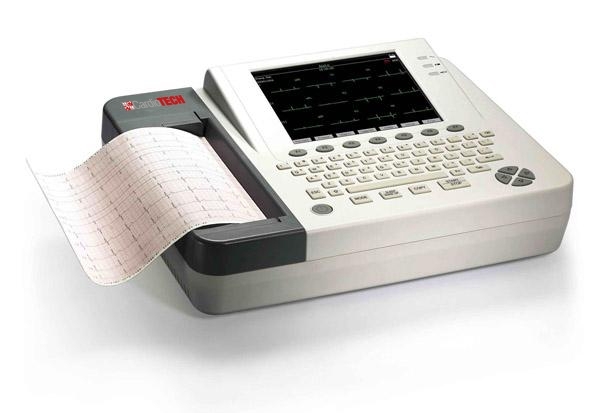
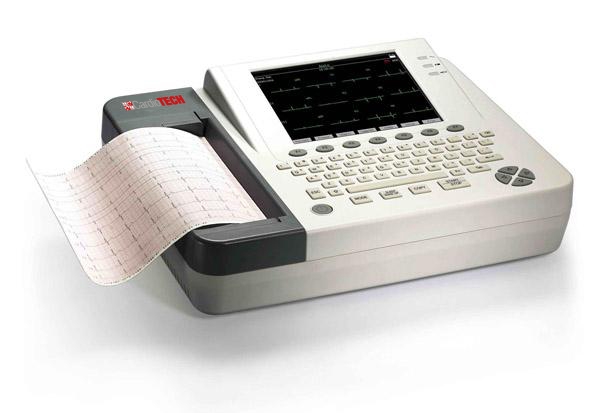
CardioTech 12 Channel EKG Machines
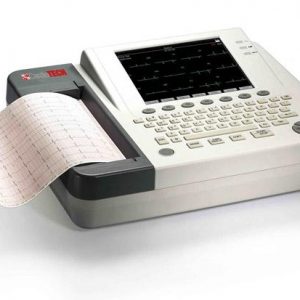
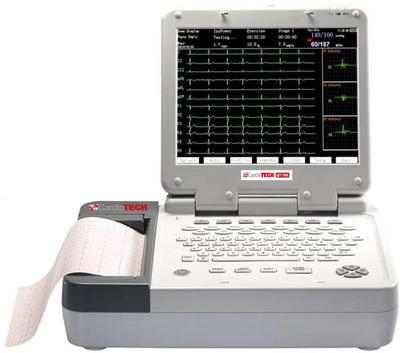
GE Healthcare 12 Channel EKG Machines
-
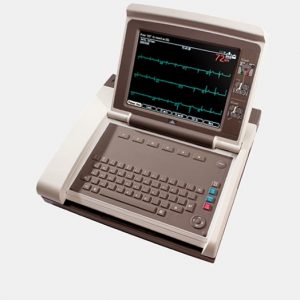
GE Healthcare MAC 5500 HD Resting ECG System (Marquette 12SL, LAN)
$12,950.00Select optionsQuick View
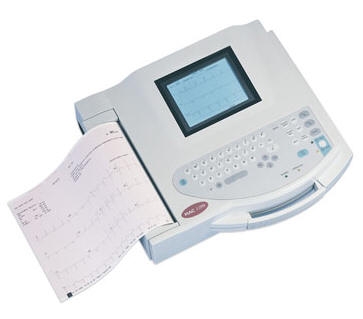
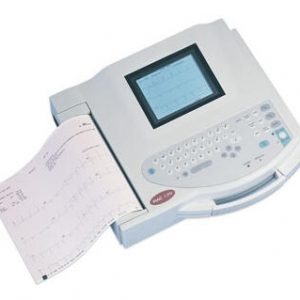
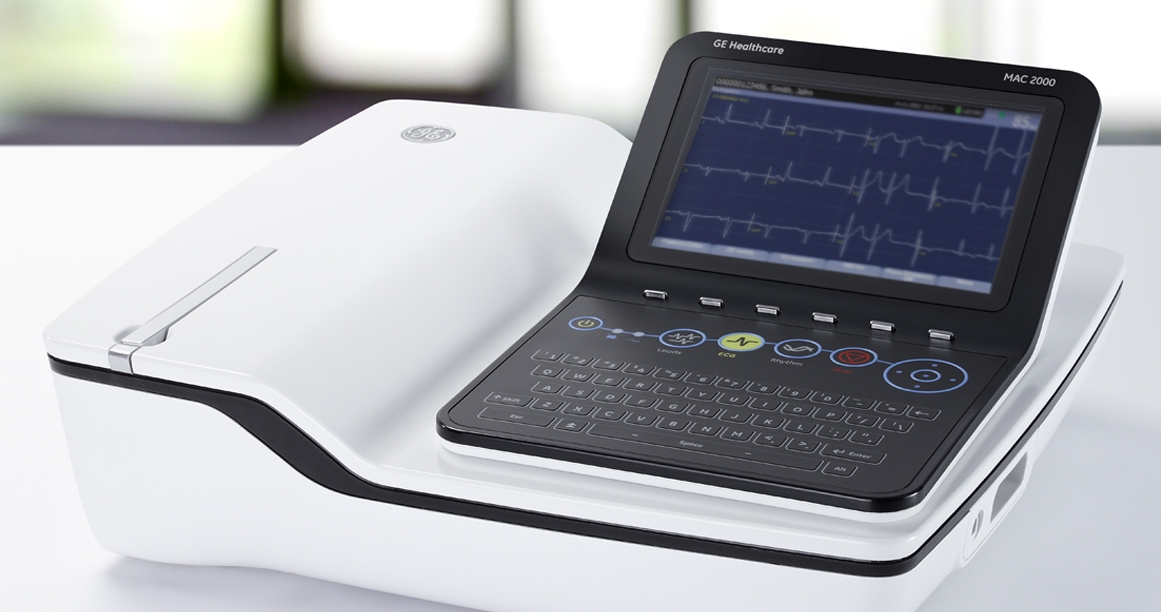
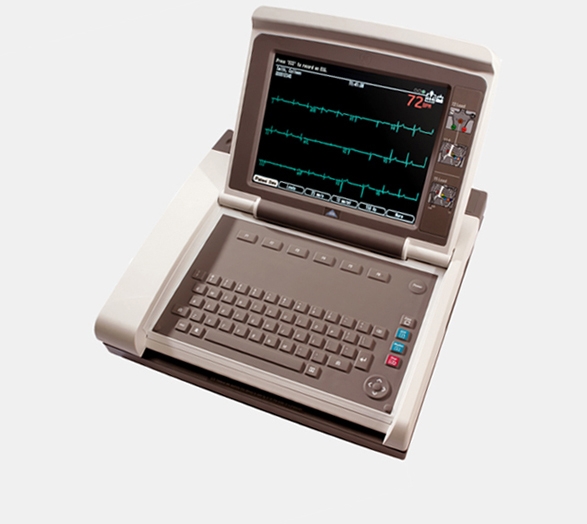
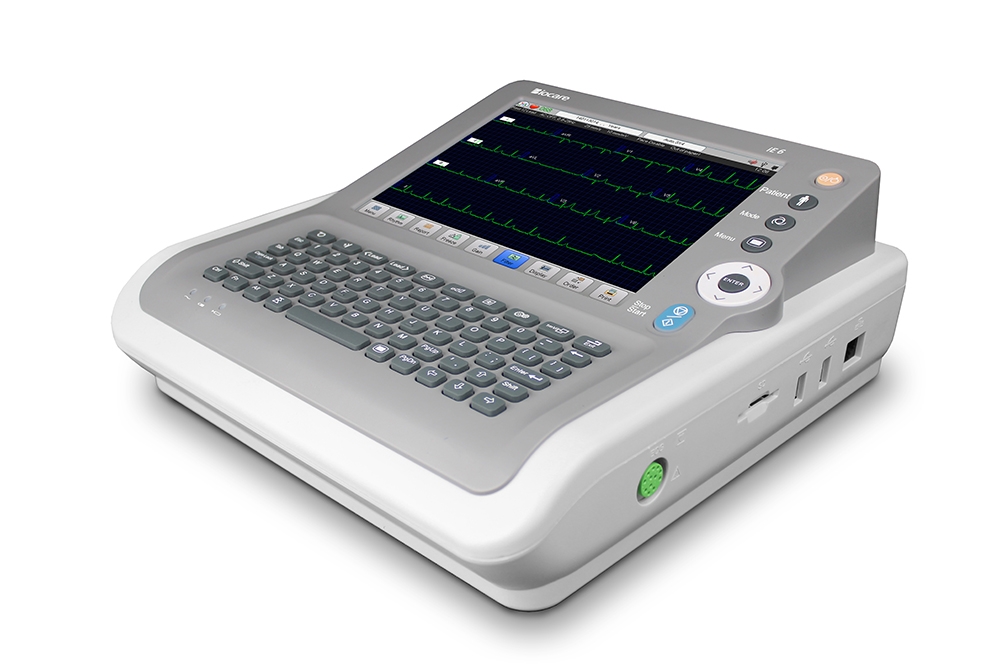
6 Channel EKG Machines
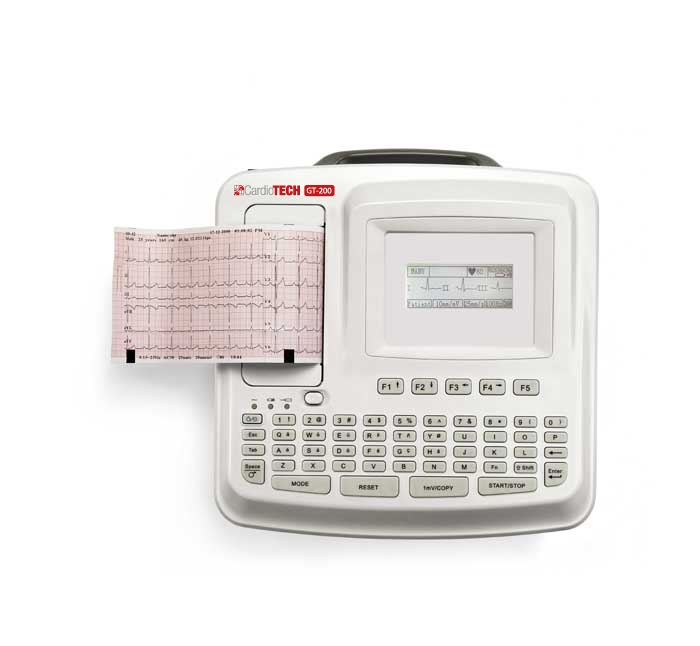
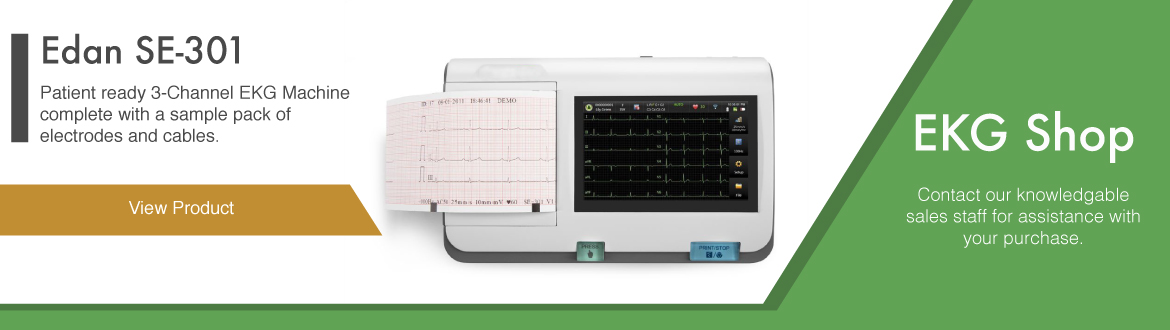
3 Channel EKG Machines
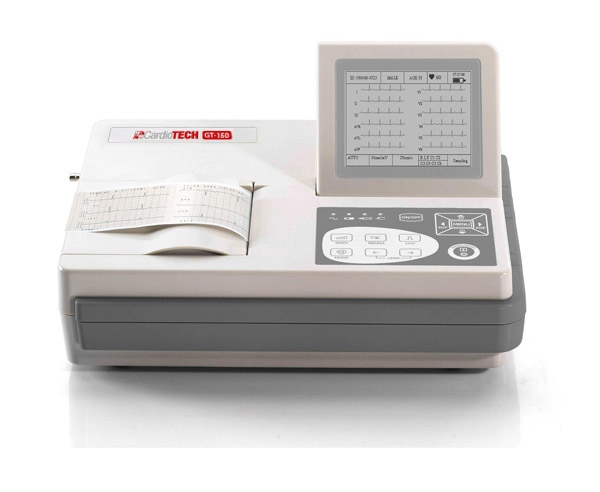
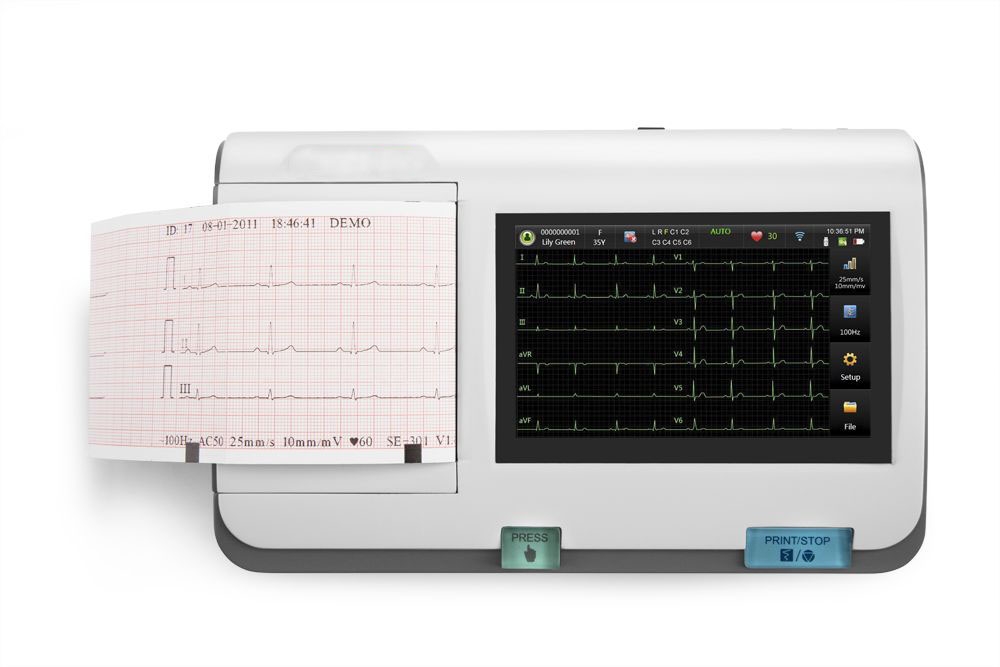
How EKG Shop Brings Value
EKGShop is the premier supplier of in electrocardiograph machines and EKG supplies sales for years. Whenever you’re in need of an EKG Machine, EKGshop is a great place to start your search. Our mission as a company is to provide high quality EKG machines and value care to patients at an affordable price.
Our Value
The scope of the organization is to provide a wide range of medical products and services around the nation at an exclusive price that you will not be able to find anywhere else. Our warehouse is fully stocked with new and used EKG & ECG’s to ensure that your order is delivered in a timely manner. The physical therapy equipment offered by EKGShop and other distributors are the top of the line, durable products that last.
Our goal is to provide friendly and knowledgeable technical support while expediting any service request that our customers may have. Our close-knit relationship with the manufacturer allows us to quickly resolve your product support questions and quicken your service turnaround times. This company prides itself on its relationships with customers, distributors, and manufactures.
Our Team
Our sales staff is equipped to resolve any questions you might have about purchasing a new stimulator, ultrasound, blood pressure monitor or combination therapy machine. Their extensive knowledge and willingness to help at all times is unparalleled in the industry. With our 24/7 customer service, you can expect us to be there for any & all situations.
We update our website constantly to provide you with all of the tools or information that you might need with medical equipment. In addition, we cater to your financial needs by offering exclusive discounts on EKG machines and accessories. If you can’t find the product you’re looking for, we can help you locate and purchase it.
EKG Shop Buys and Sells Equipment
EKGShop will also buy, sell and refurbish ECG Machines. Our talented product technicians will perfectly refurbish your discarded machines and run them through a series of tests to ensure quality and reliability. If you are looking for a used 12 channel EKG machine, 6 Channel EKG Machine or popular brand name EKG’s such as bionet, burdick or GE then, you’re in luck! We take extra time and care into photographing and listing our used products under the ‘Pre-Owned’ section of our website! You can find discounted electrocardiograph machines that fit your price range!

